DOTT.SSA VALENTINA MOSCOVIO
OMNCEO NA 3010

+39 389 344 7223
FOLLOW US ON SOCIAL NETWORKS
Get tips for a healthy smile and discover all the latest news from Napoli Dental Care
ORTHODONTICS GNATOLOGY
NAPOLI DENTAL CARE
Dott.ssa Valentina Moscovio
(OMCeO NA 3010)
Via Andrea D'Isernia, 59
Napoli
A MORE HARMONIOUS AND FUNCTIONAL SMILE
Book Now
+39 389 344 72 23
+39 081 192 58 801
napolidentalcare@gmail.com
Dott.ssa Valentina Moscovio
OMCeO NA 3010

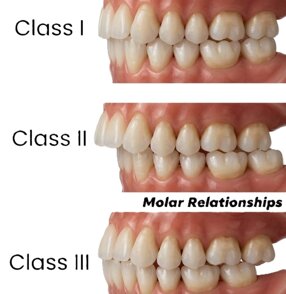
Proper occlusion depends on the shape of the jawbones, the position of the teeth, the temporomandibular joint, and the muscular forces acting within the mouth. An orthodontist specializes in restoring proper occlusion and ensuring its long-term stability. Furthermore, they also address sleep-related disorders, such as Obstructive Sleep Apnea Syndrome (OSAS) and nocturnal bruxism (teeth grinding). Treatment planning is based on 3D scans of the mouth, X-rays, and both extraoral and intraoral photographs.
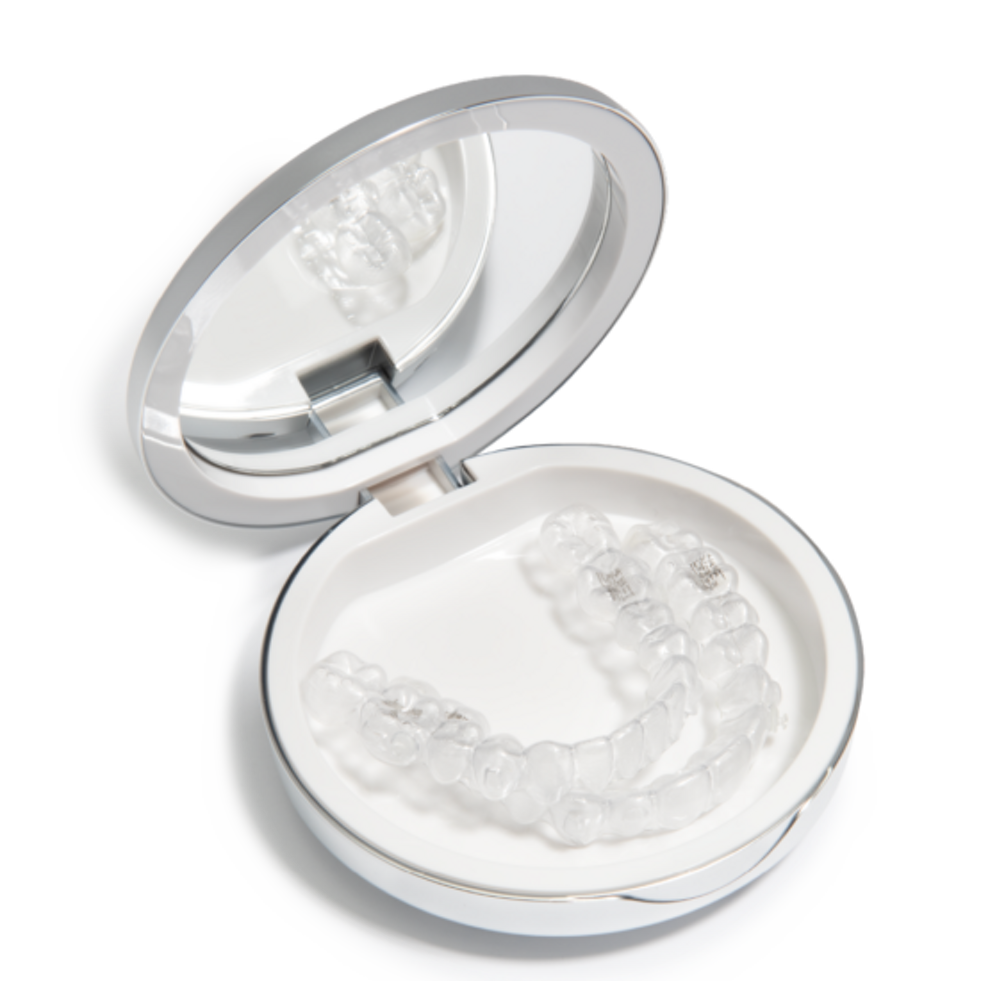
Aligners
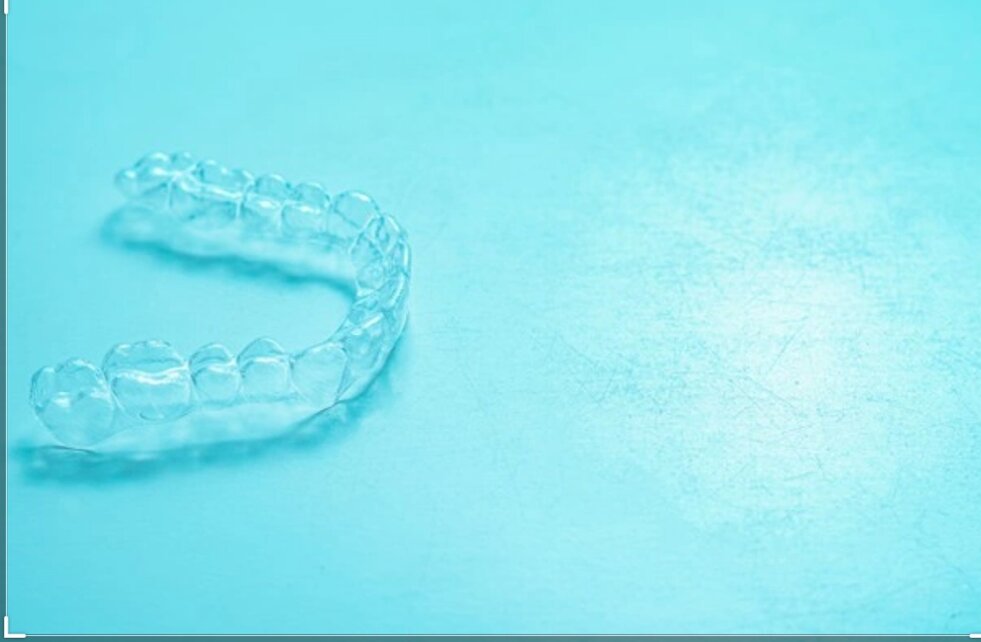
The “invisible aligners” that we love so much!
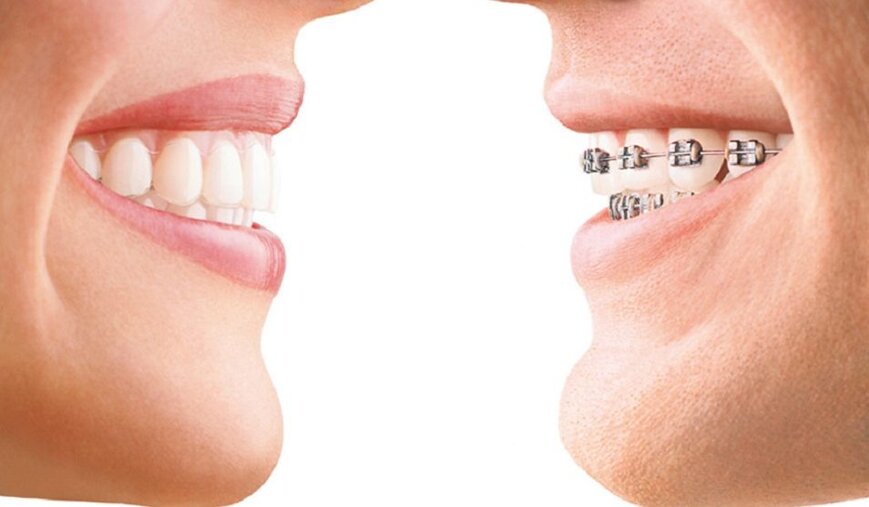
Designed for adults, yet also well-suited for younger patients, this clear aligner system allows for teeth straightening without the need for metal wires or unsightly brackets. Careful treatment planning ensures excellent long-term results while maintaining an aesthetically pleasing appearance throughout the entire process. While monthly in-office check-ups are recommended, the aligners themselves are replaced every 7–10 days to keep the treatment progressing.
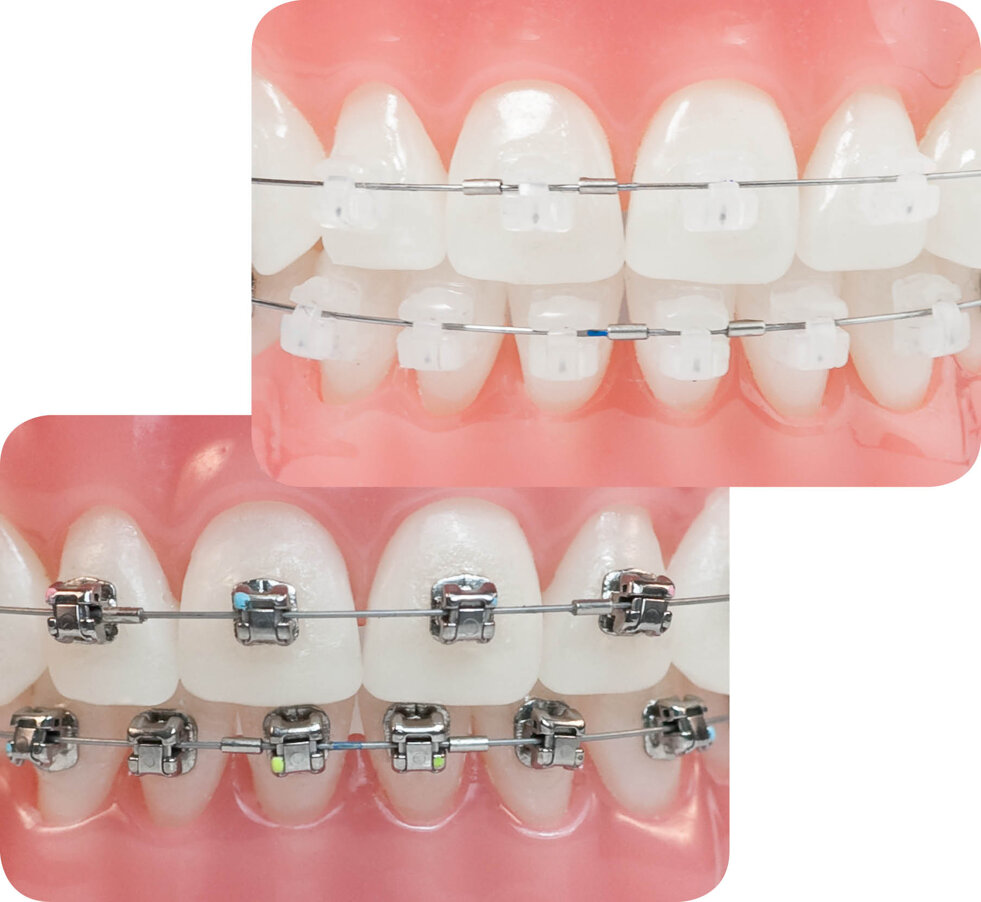
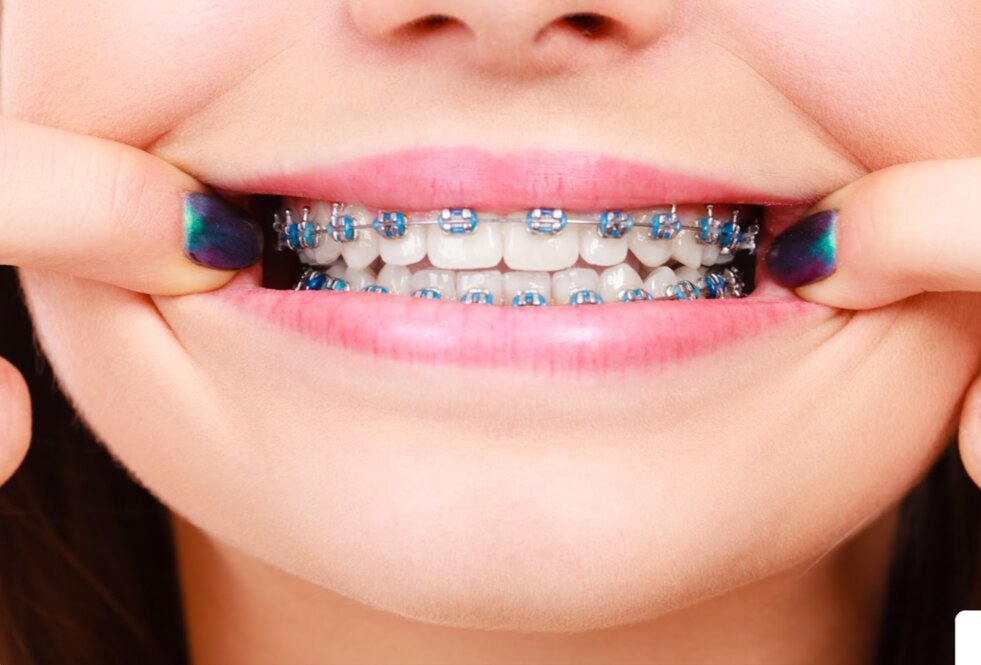
Fixed Orthodontics
Aligning teeth with “braces”
Traditional orthodontics allows for the alignment of teeth—and, in some cases, the recovery of impacted teeth—utilizing various techniques to address even the most complex scenarios. While it has become fashionable among the teenage generation, it is also generally well-tolerated by adults. The process involves the application of metal or ceramic brackets to the teeth, connected by metal wires. Regular check-ups at the dental office are recommended every 28 days.
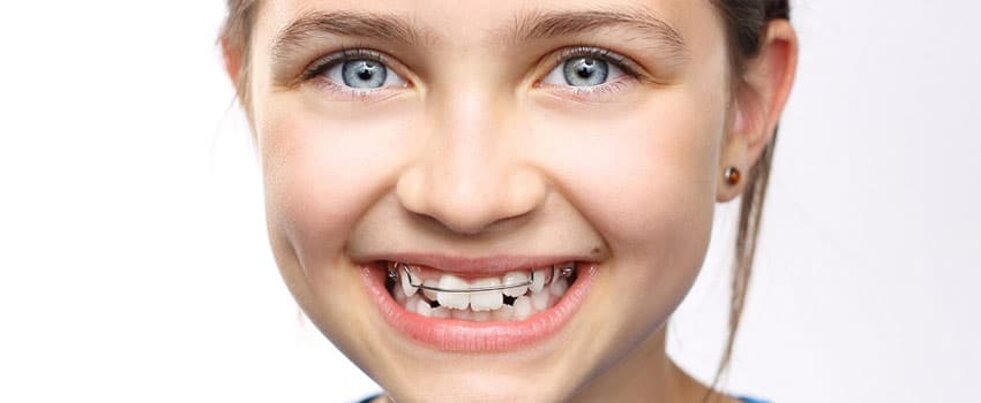
Functional Orthodontics
Guiding the growth of the jawbones
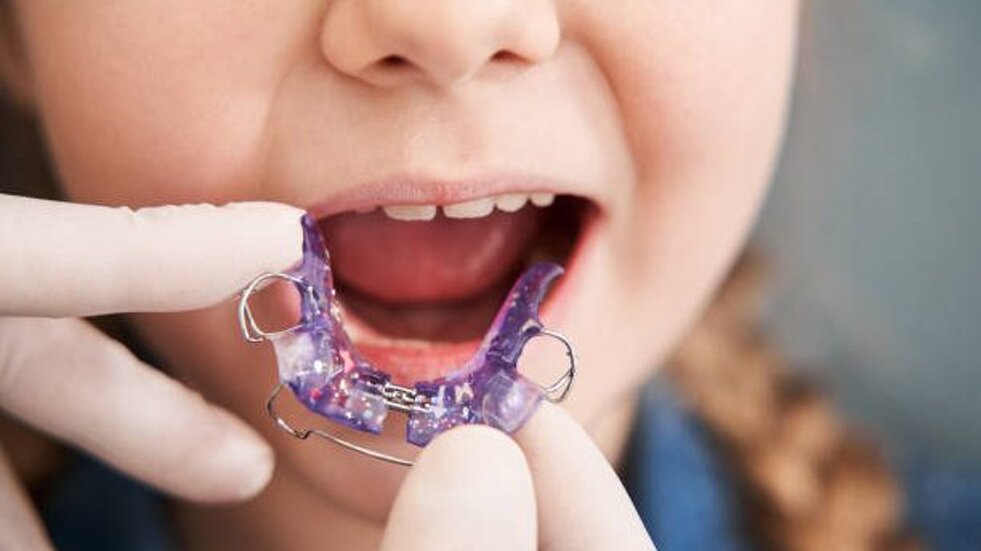
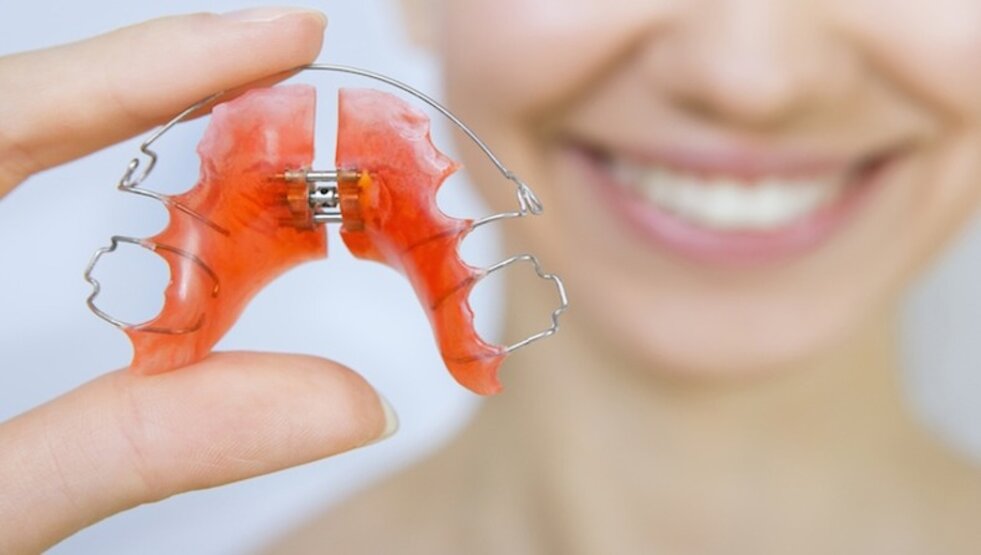
Intervening in the development of the jawbones can often help avoid longer and more invasive treatments later on. Fixed or removable appliances are used to ensure there is sufficient space for permanent teeth to erupt and to improve the young patient’s facial profile. For instance, the palate can be expanded, or the growth of the lower jaw (mandible) can be guided in cases where it is underdeveloped or overly prominent. Some appliances include barriers to address tongue-thrusting or thumb-sucking, helping to retrain habits and prevent the recurrence of orthodontic issues. Treatment can begin at a very early age (interceptive orthodontics).
Gnatology
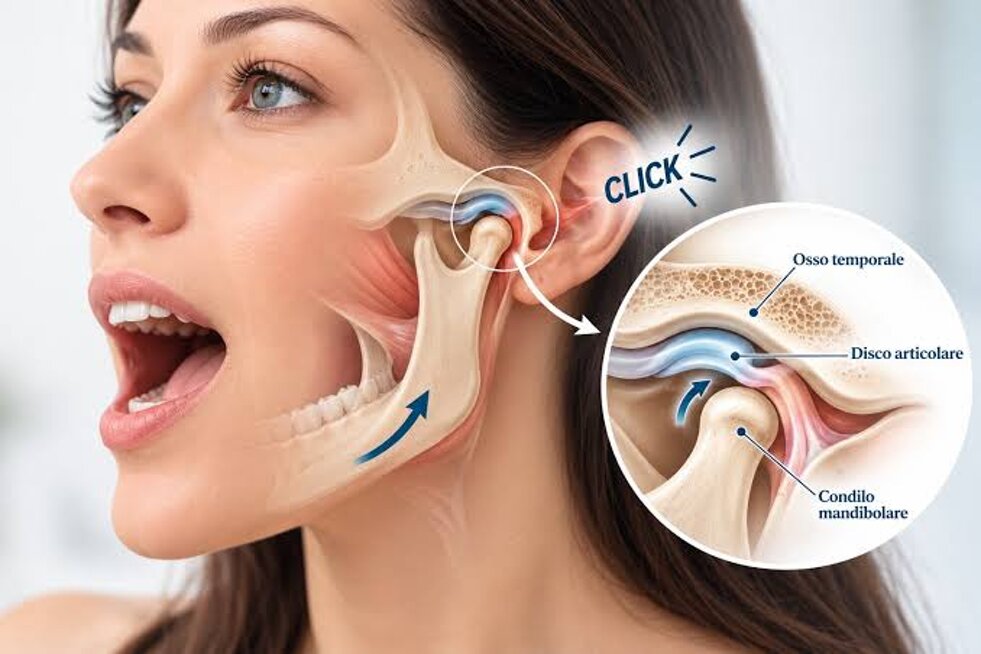
Treatment of temporomandibular joint disorders
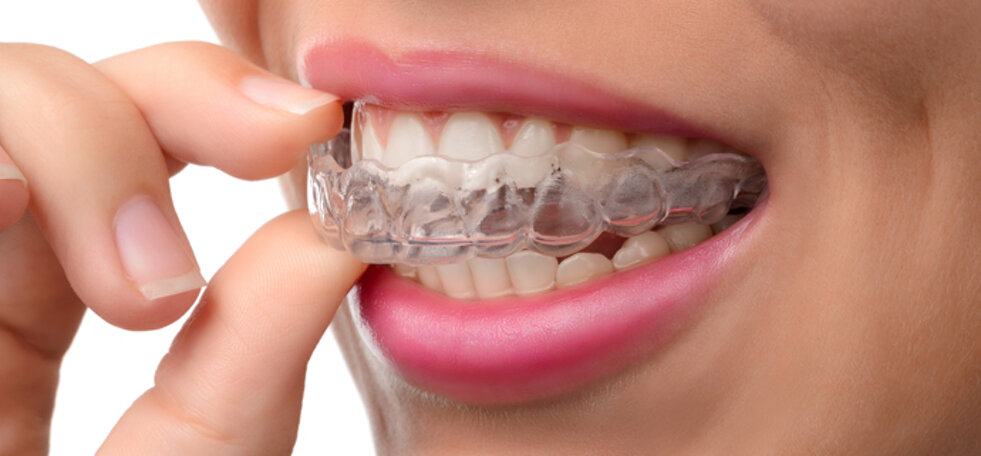
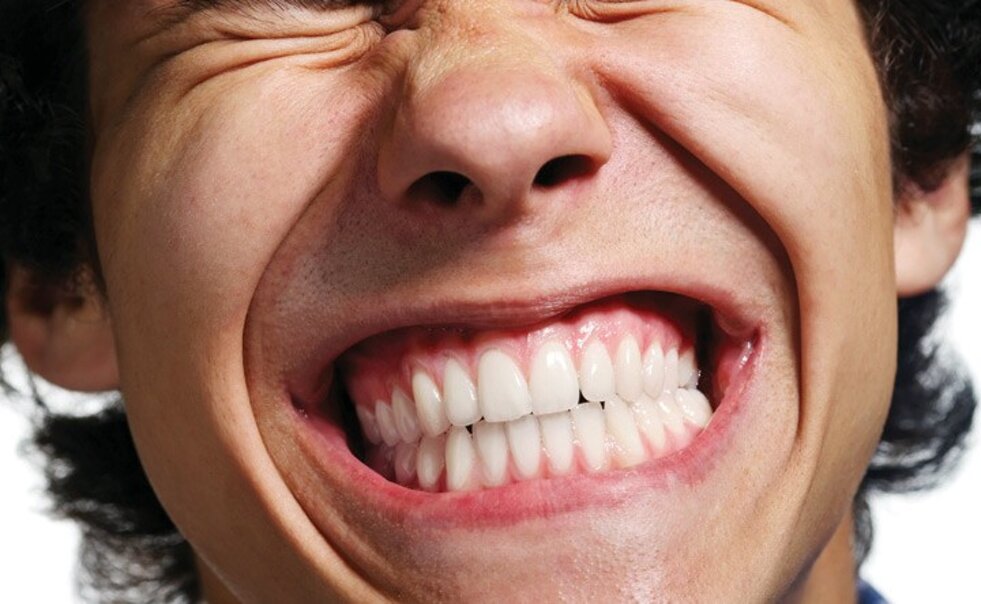
Certain parafunctional habits can place strain on the joint and the muscles that allow us to open and close our mouths—for actions such as yawning or eating. Bruxism—the uncontrollable grinding of teeth—can lead to significant tooth wear if not properly treated. The muscles used for chewing are also heavily affected by "clenching"—a harmful habit often strongly influenced by stress. Treatment with a dental splint (bite guard) alone may not be sufficient; it is often beneficial to combine this with other approaches, such as gnathological physiotherapy or consultations with a psychologist—all of which are available directly at our practice.
OSAS
What if I told you there’s an alternative to CPAP?
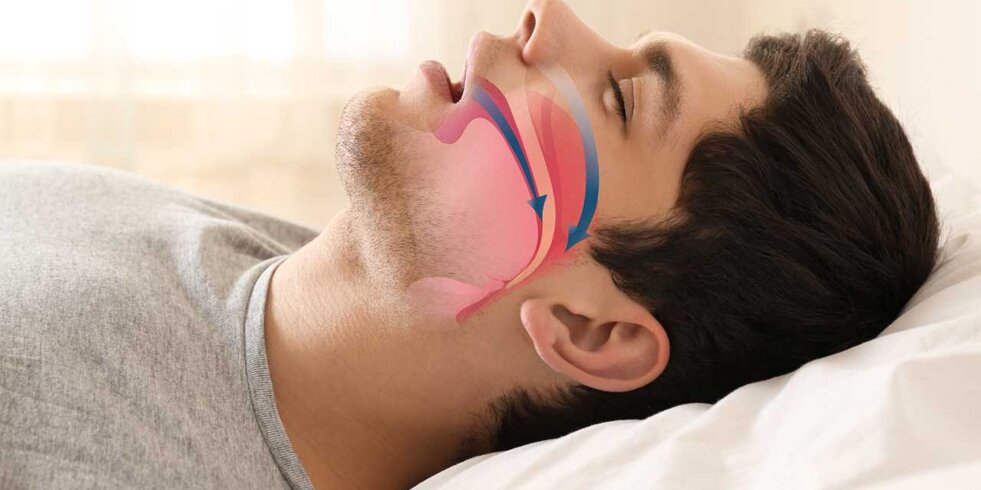
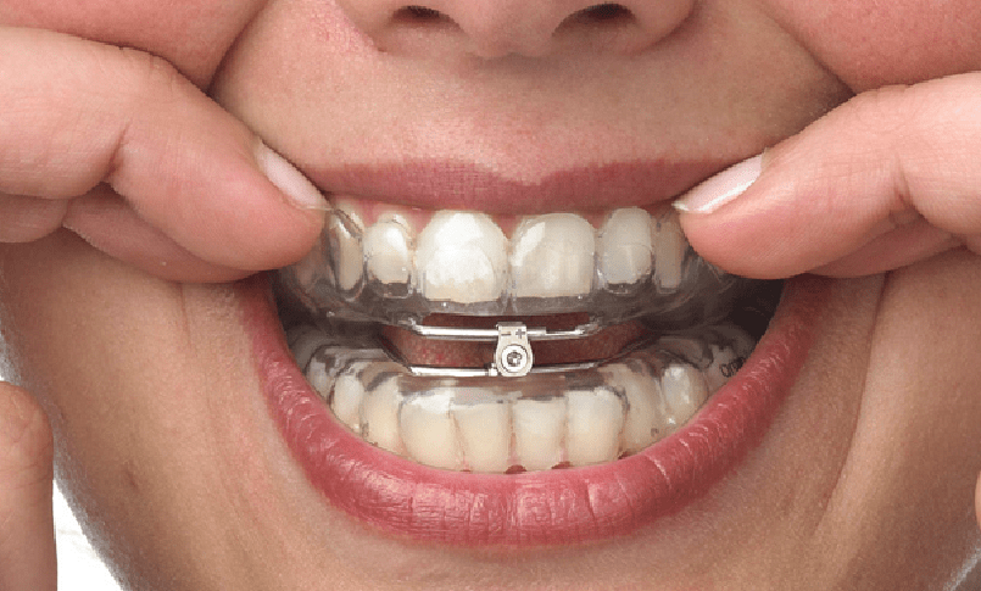
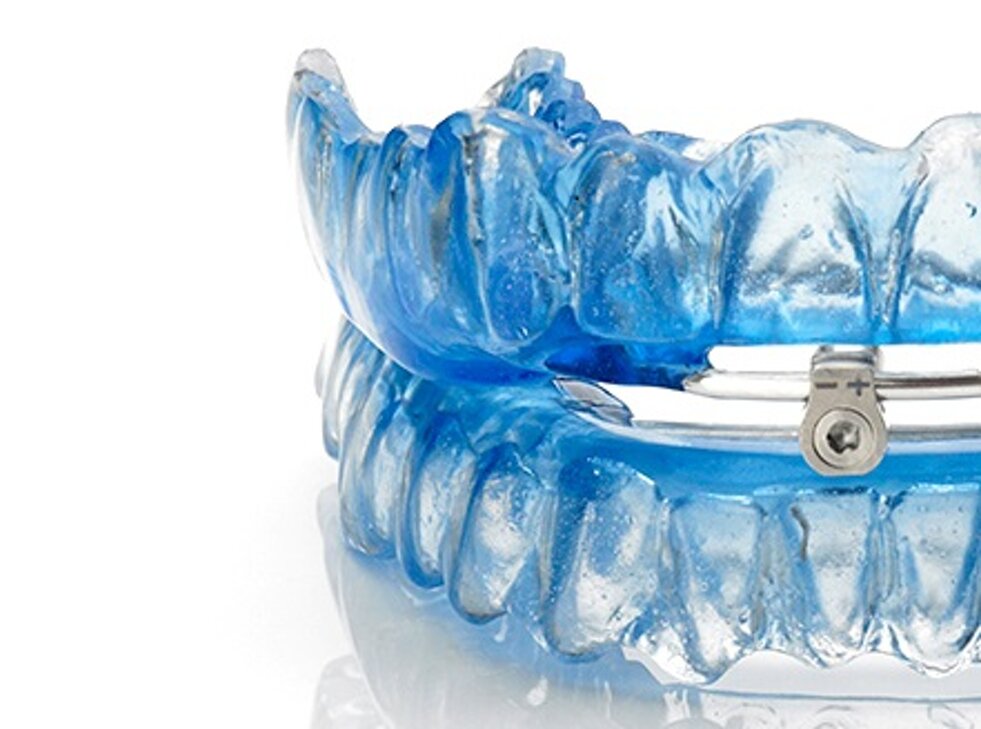
Obstructive Sleep Apnea Syndrome (OSAS) is caused by the repeated, temporary collapse of the upper airway walls (the throat) during sleep, which interrupts or drastically reduces airflow to the lungs for at least 10 seconds. Obesity, smoking, alcohol consumption, the use of sedatives, and sleeping in a supine (on-the-back) position—along with other predisposing factors—can contribute to this disorder. Common symptoms include snoring and feeling tired upon waking. While CPAP therapy may not always be well-tolerated, a custom-made Mandibular Advancement Device (MAD)—a dental appliance similar to a mouthguard—can be used. By shifting the lower jaw (mandible) forward, this device helps treat OSAS, improving the quality of life for both the patient and their sleeping partner.